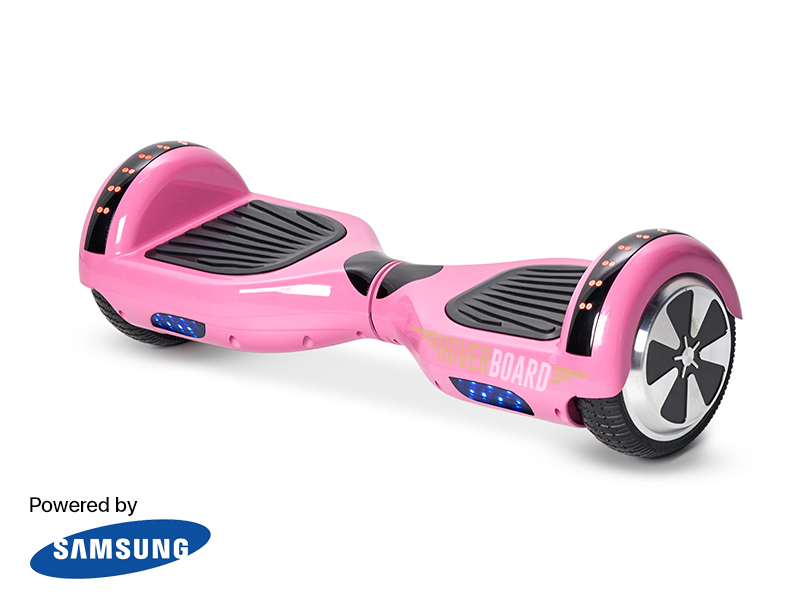
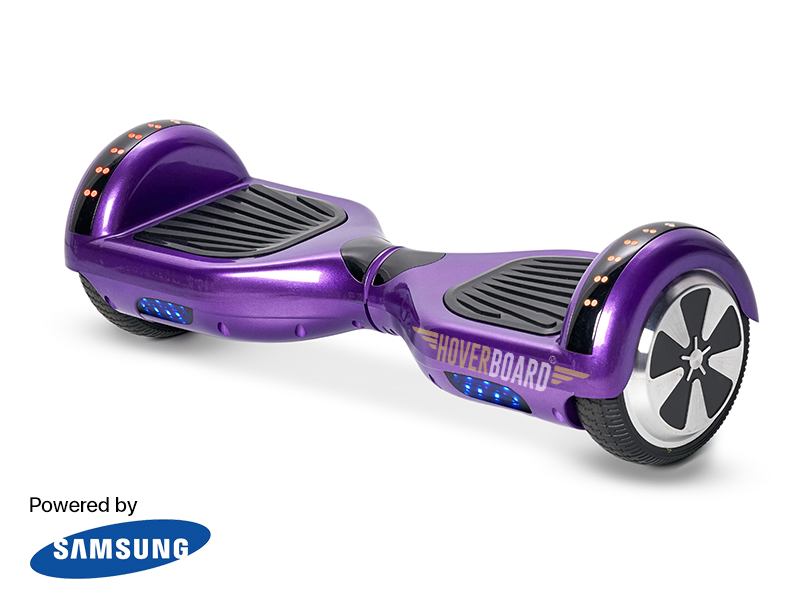
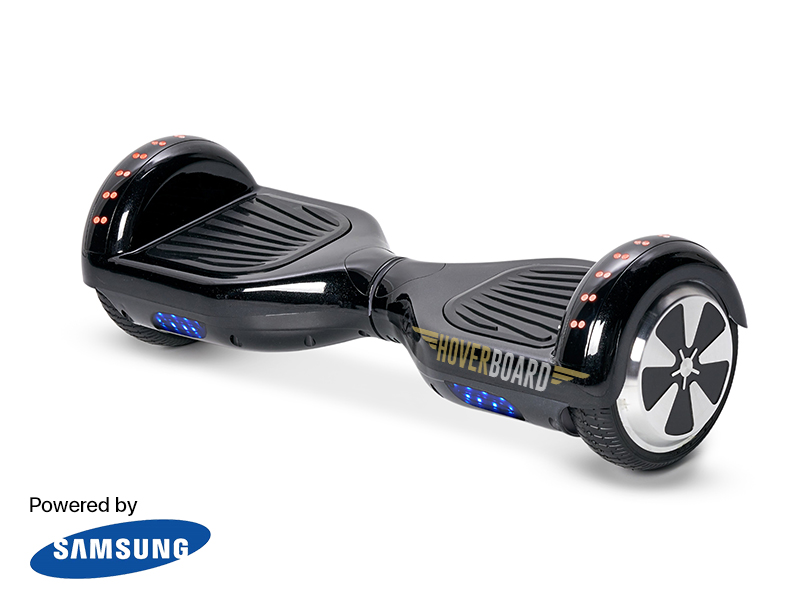
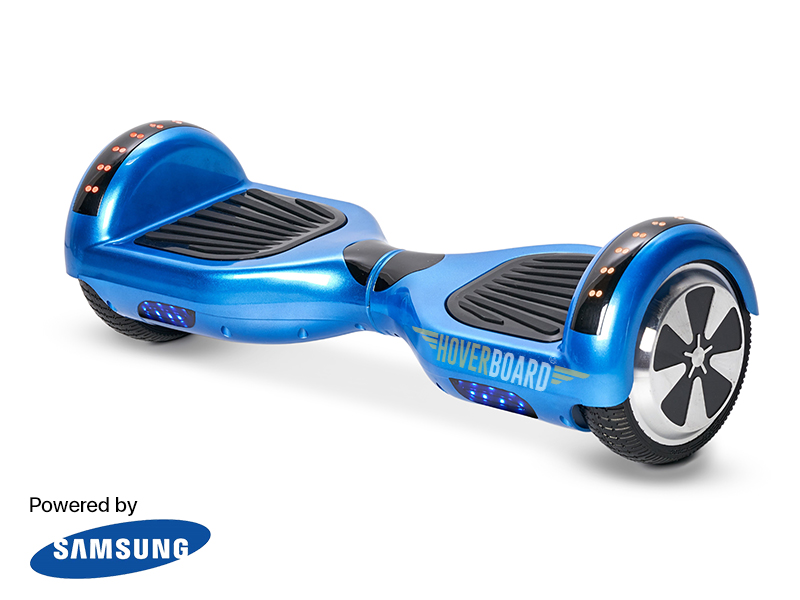
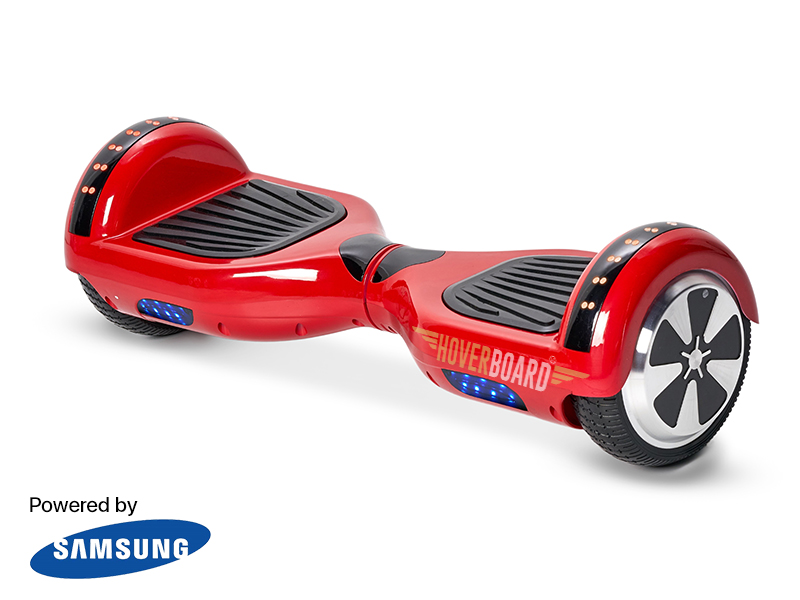
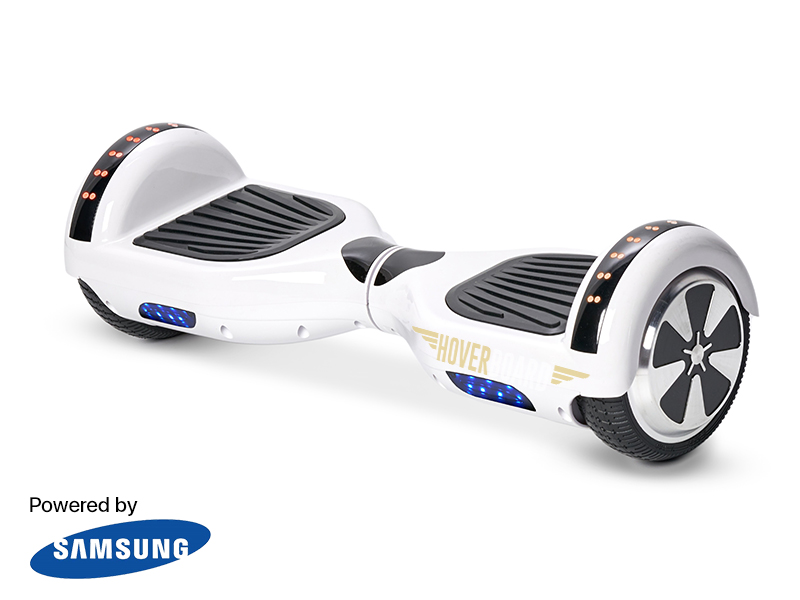
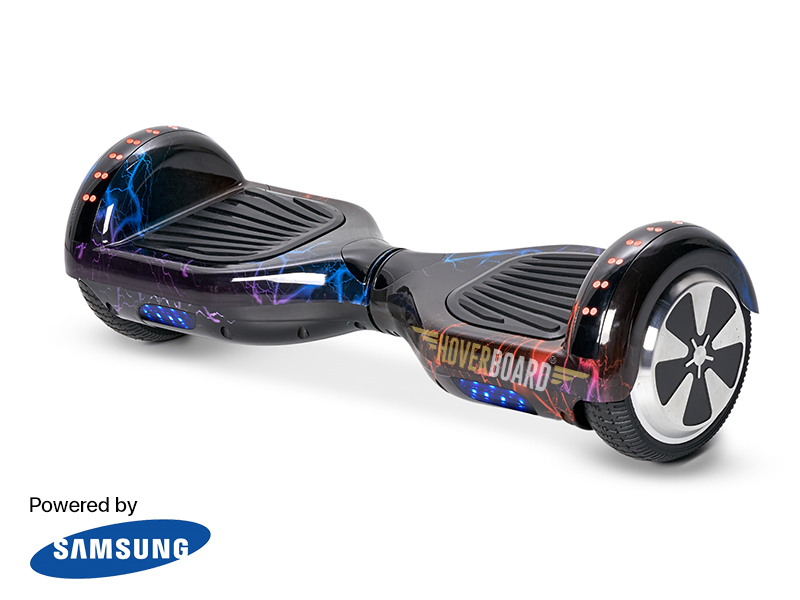
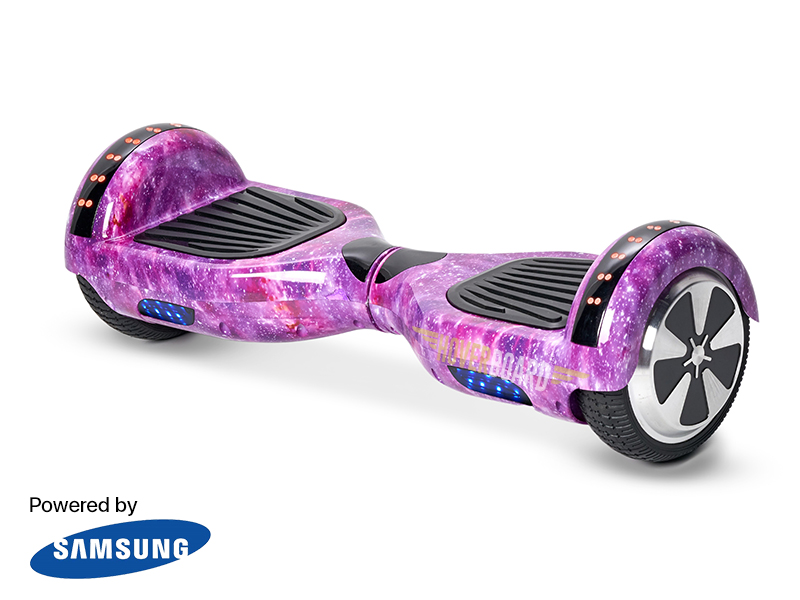
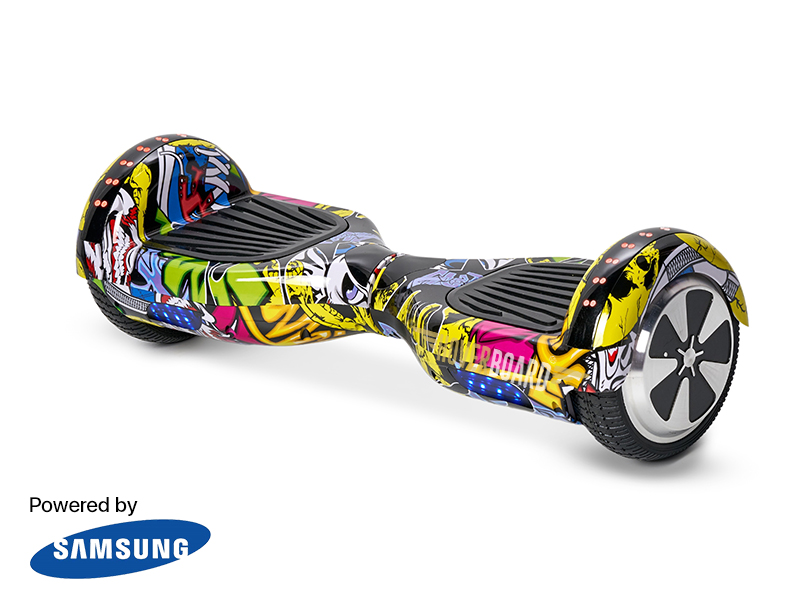
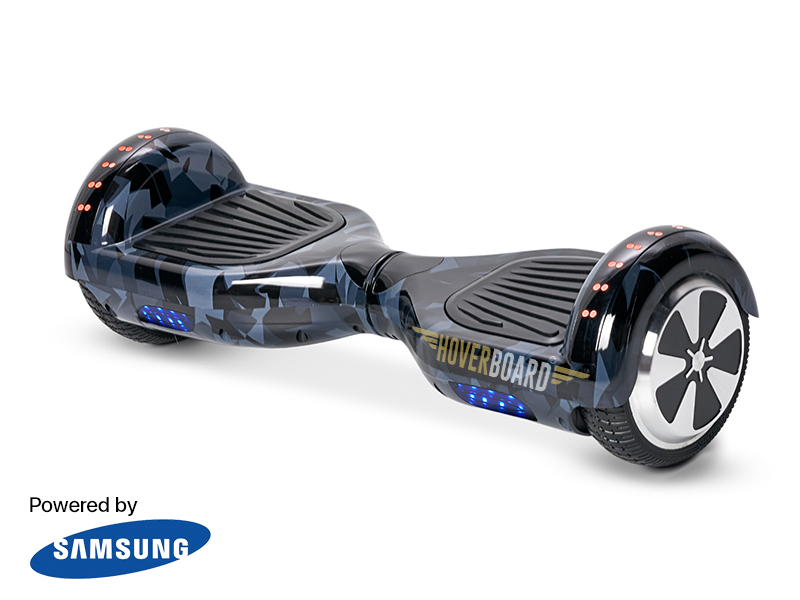
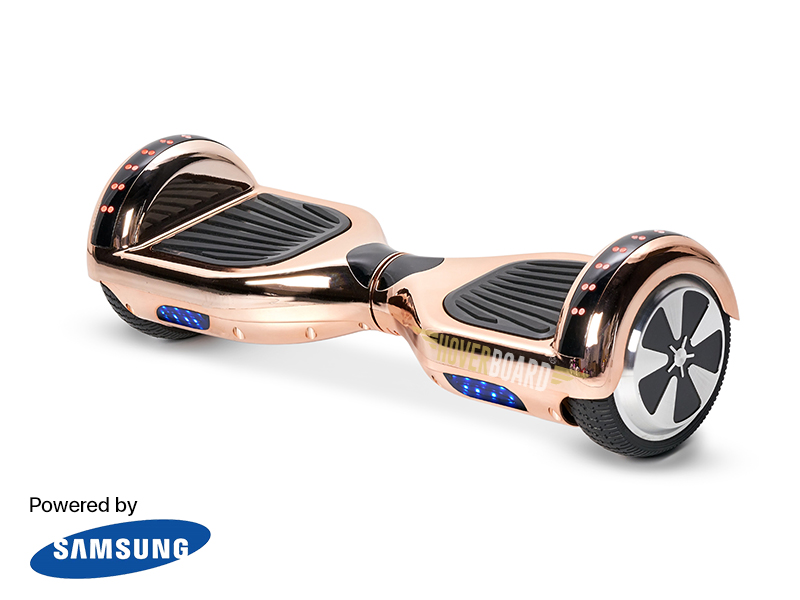
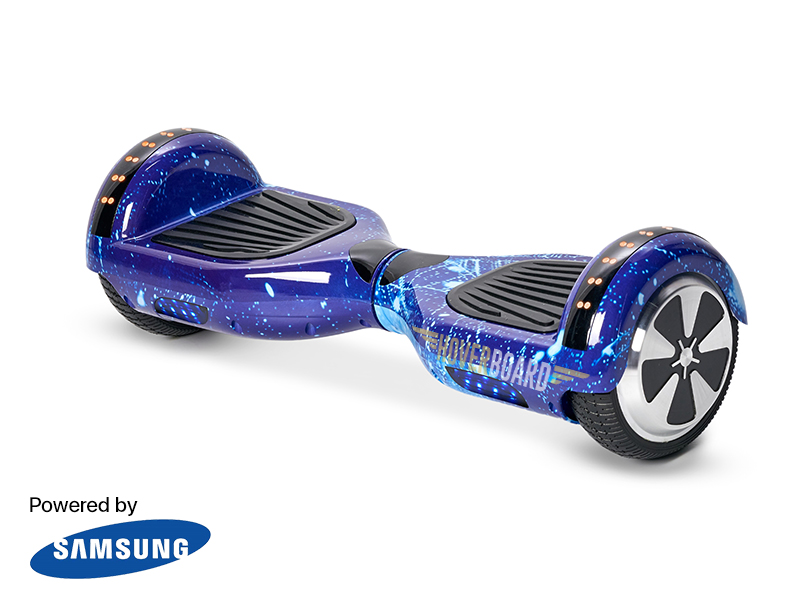
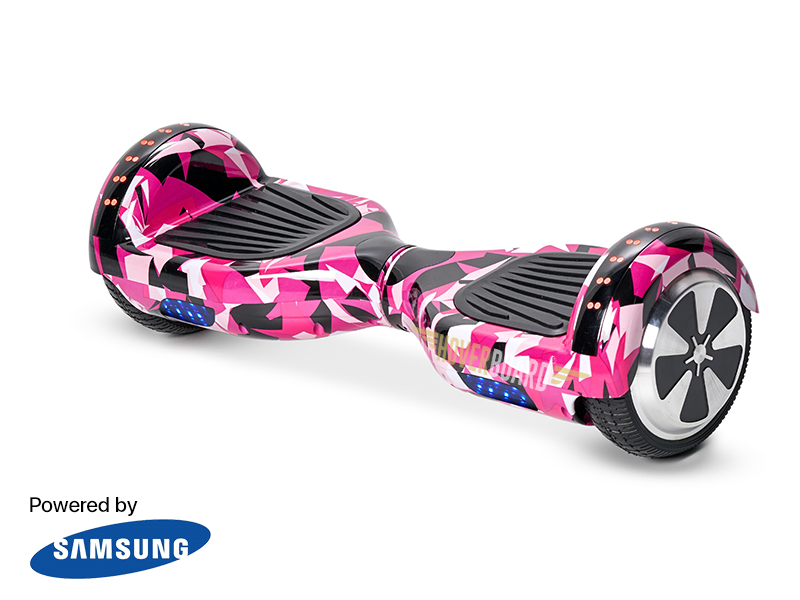
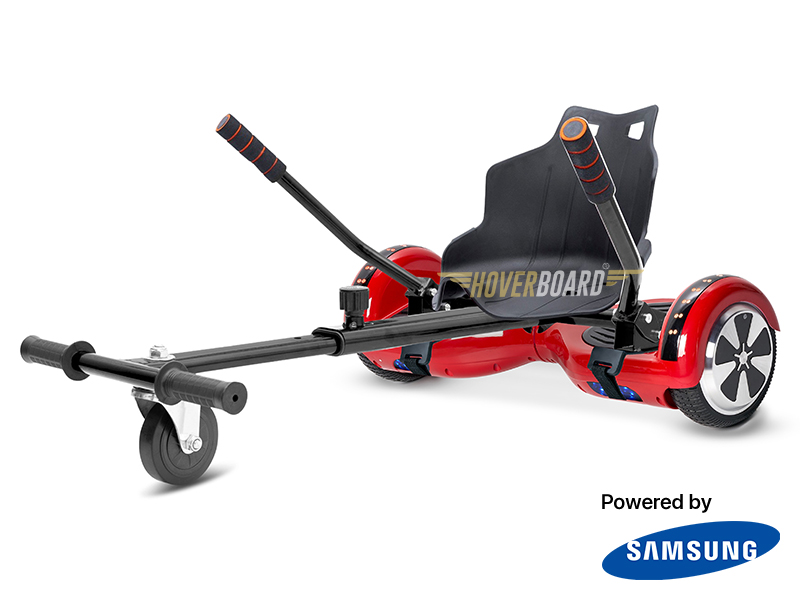
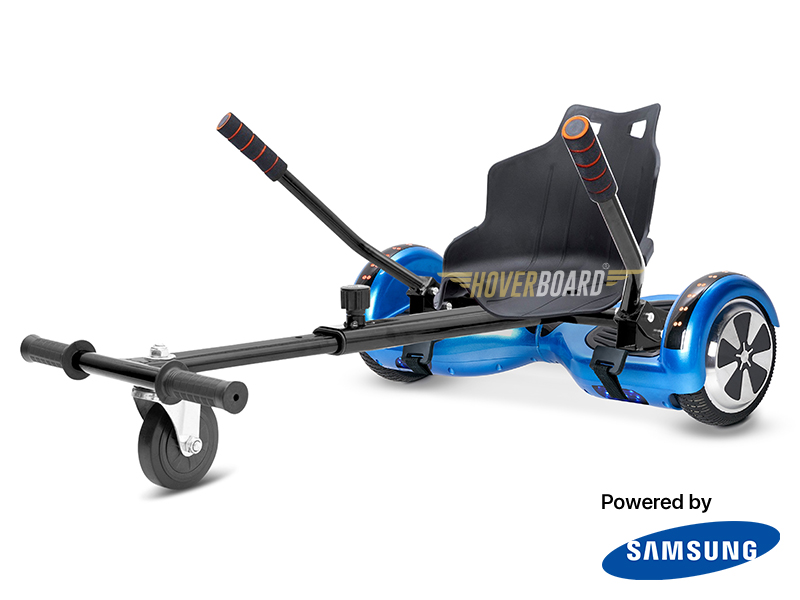
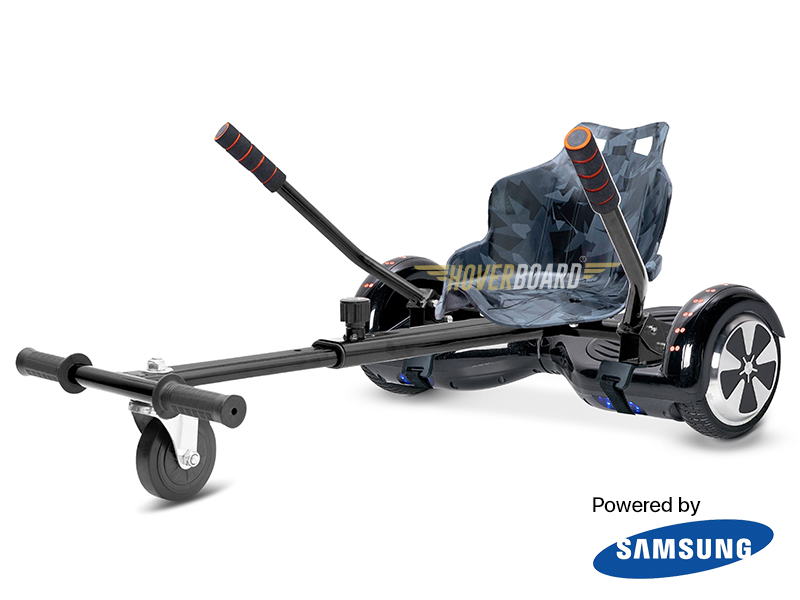
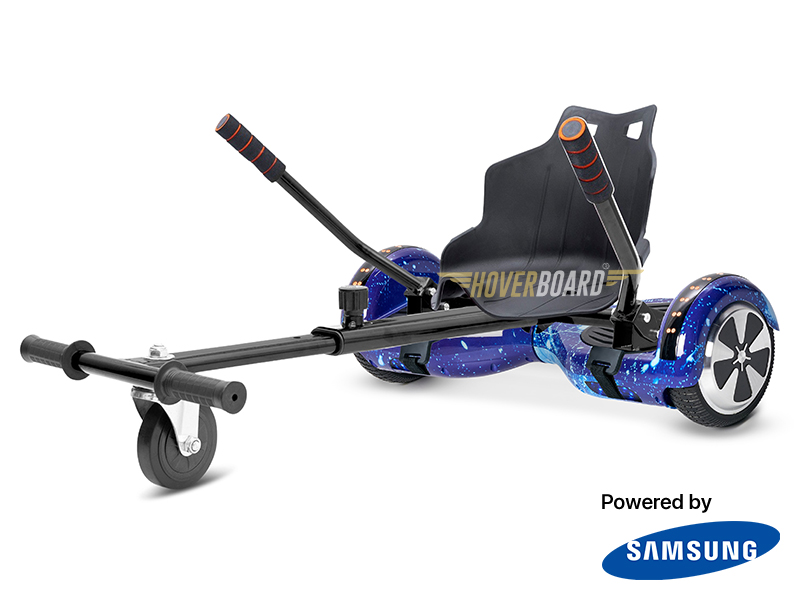
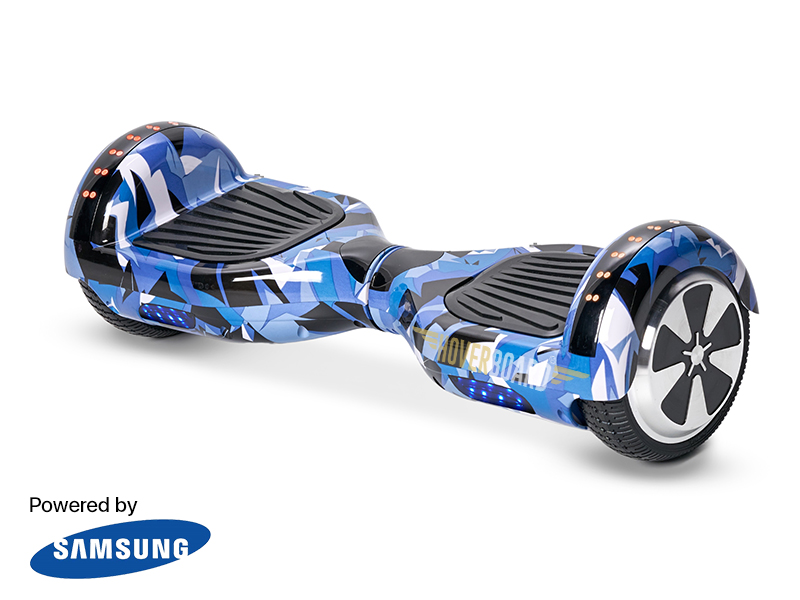
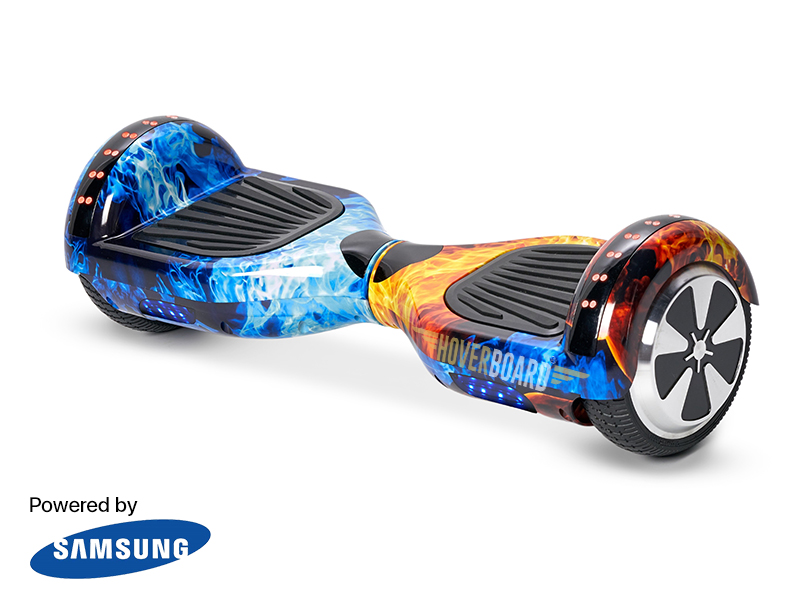
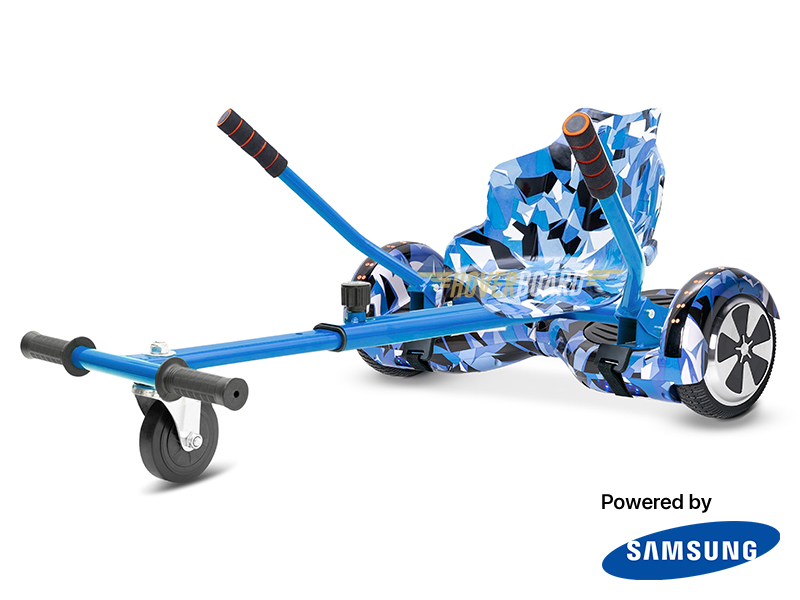
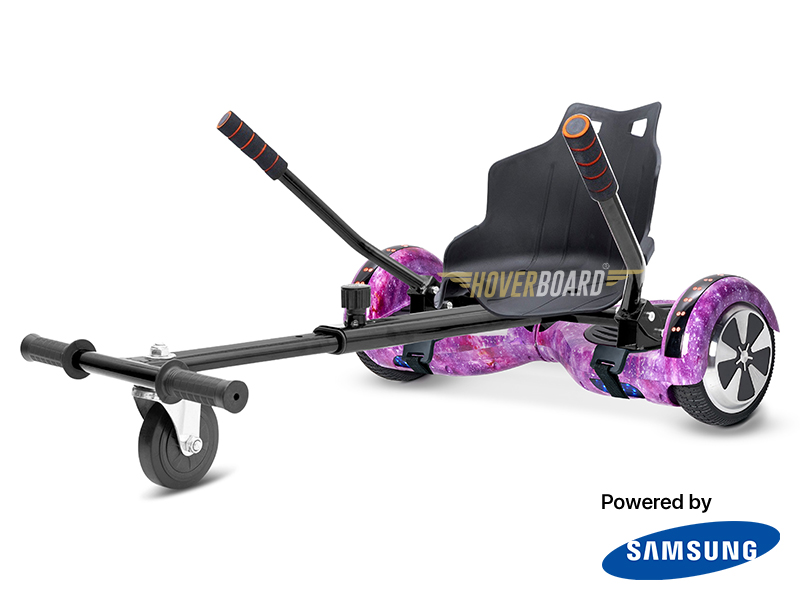
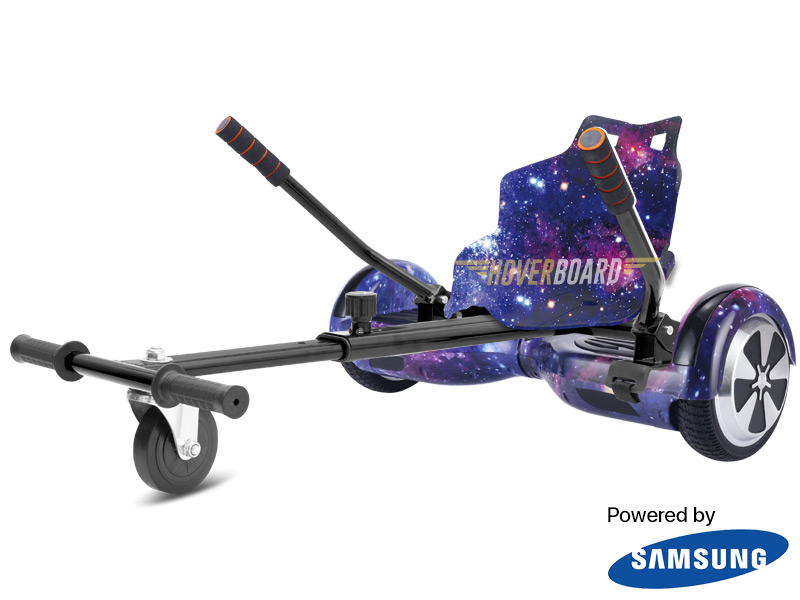
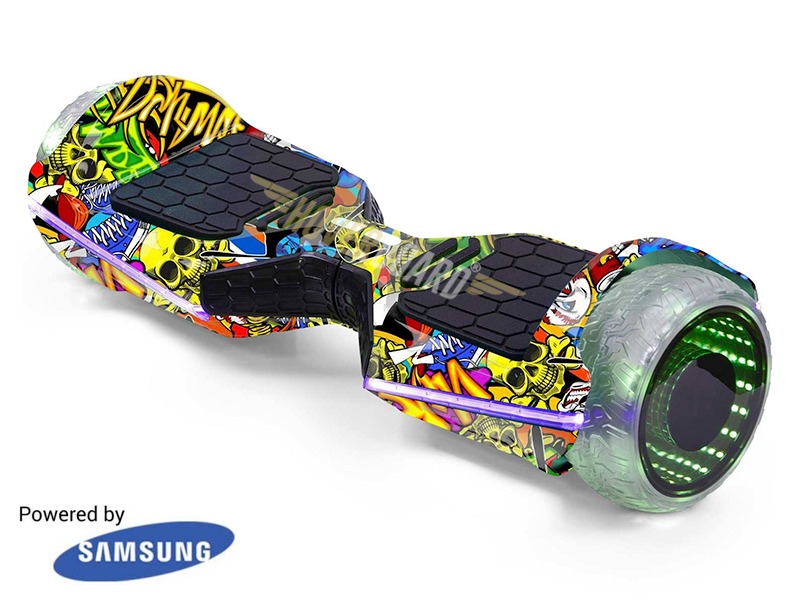
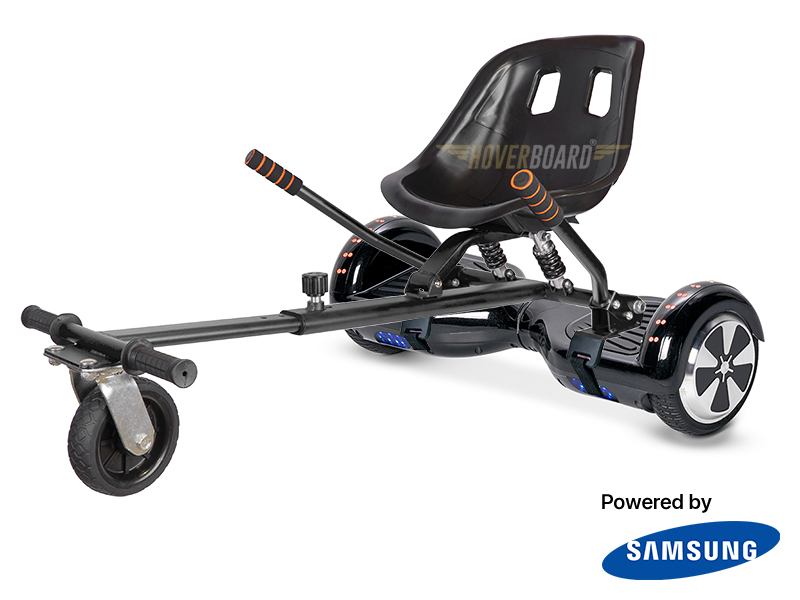
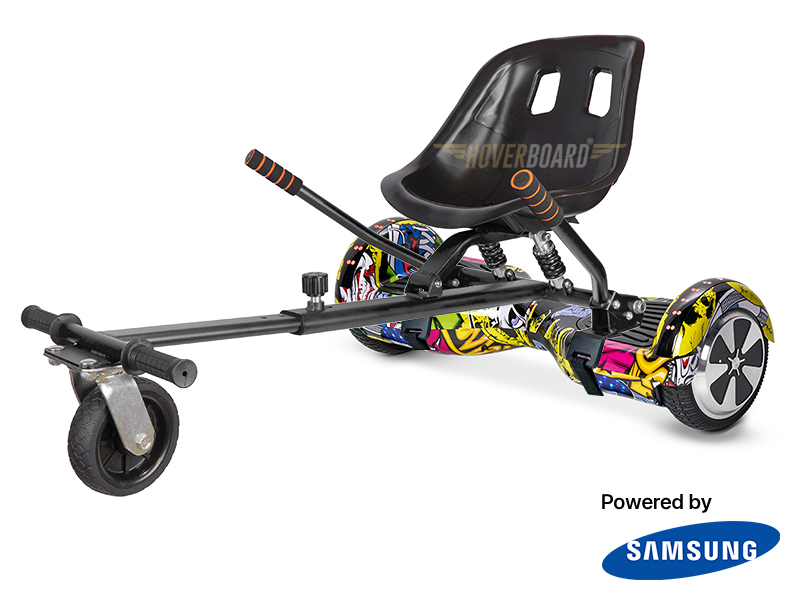
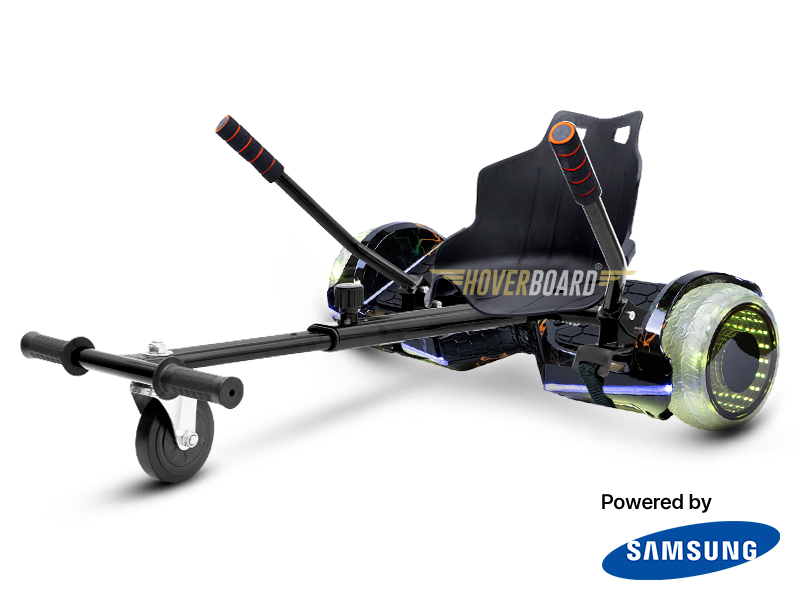
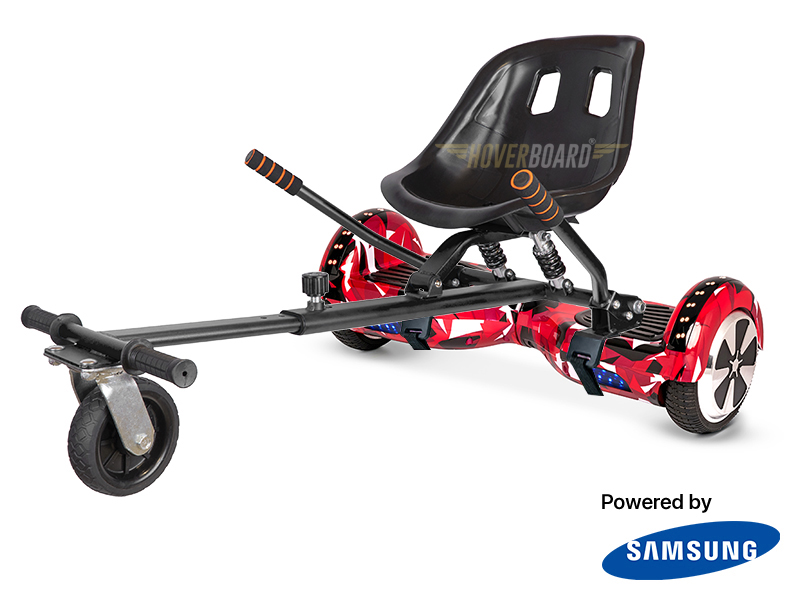
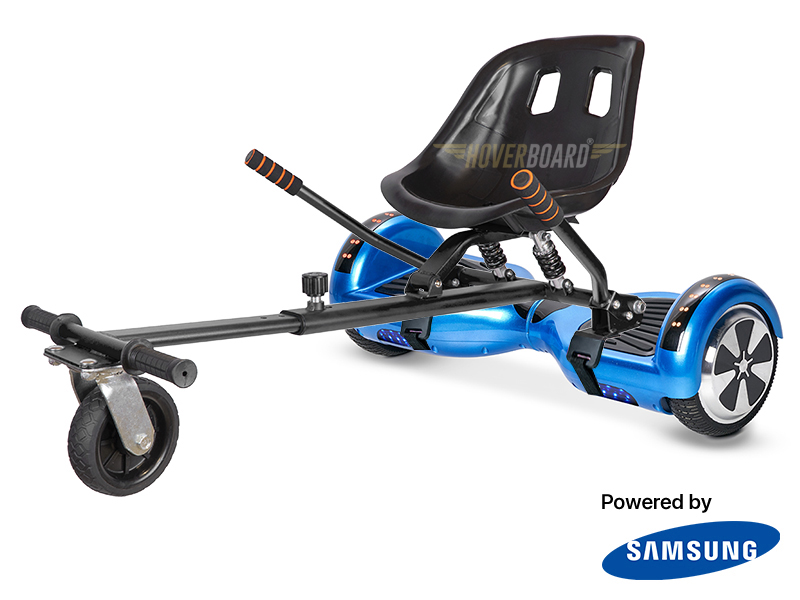
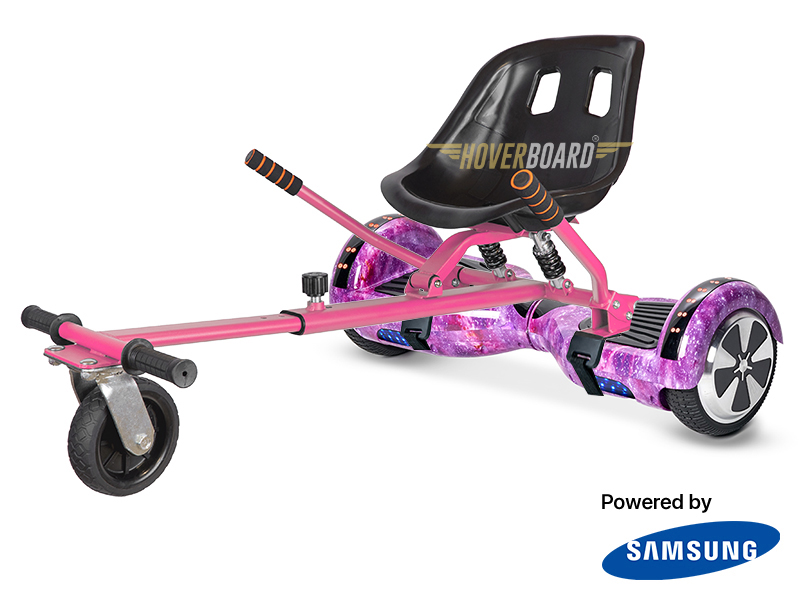
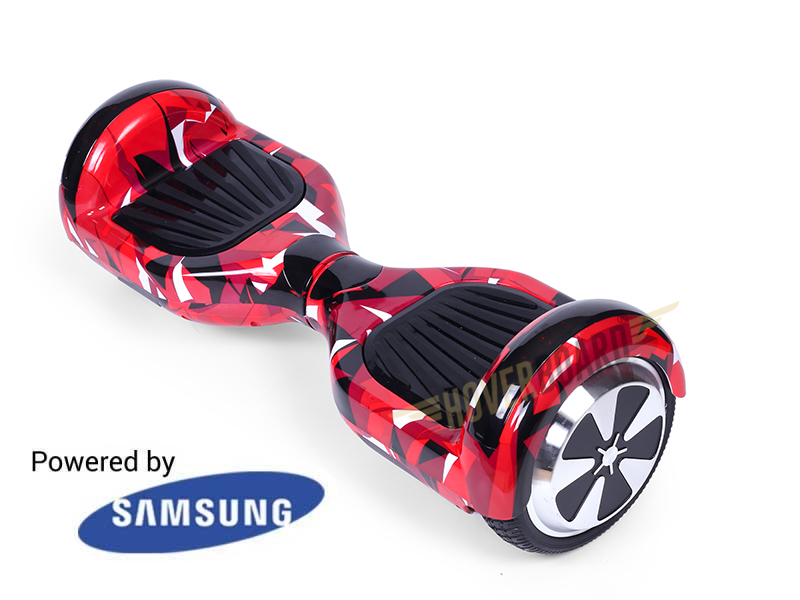
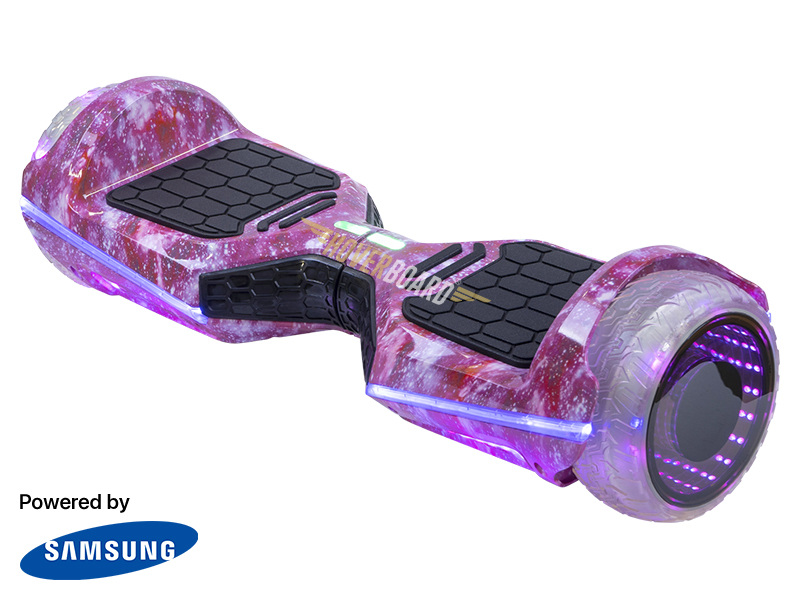
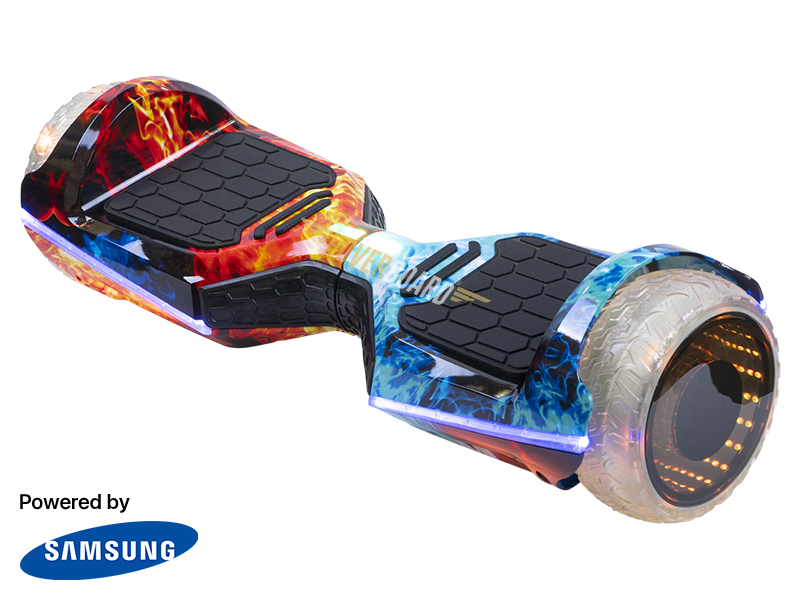
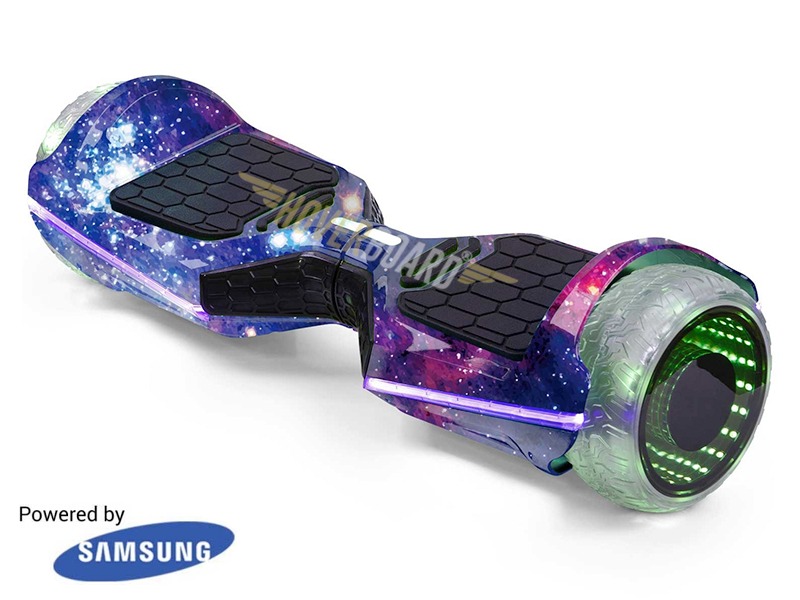
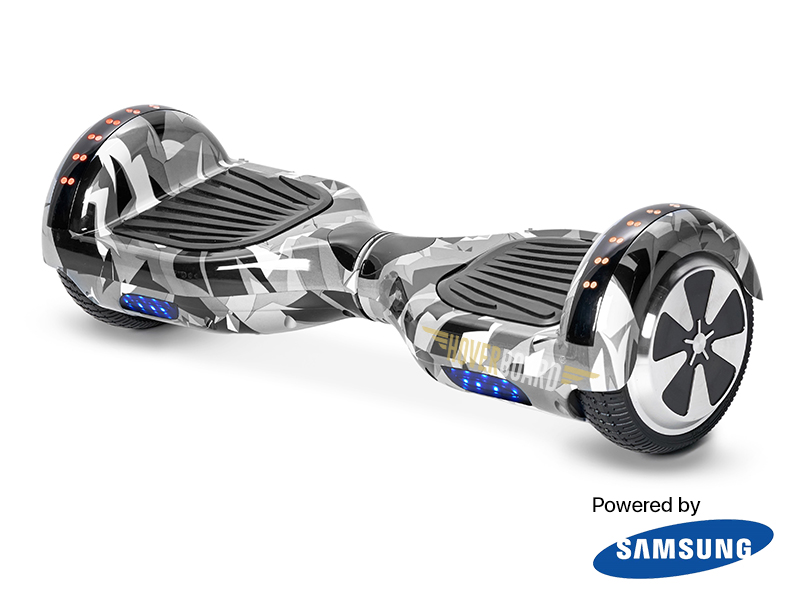
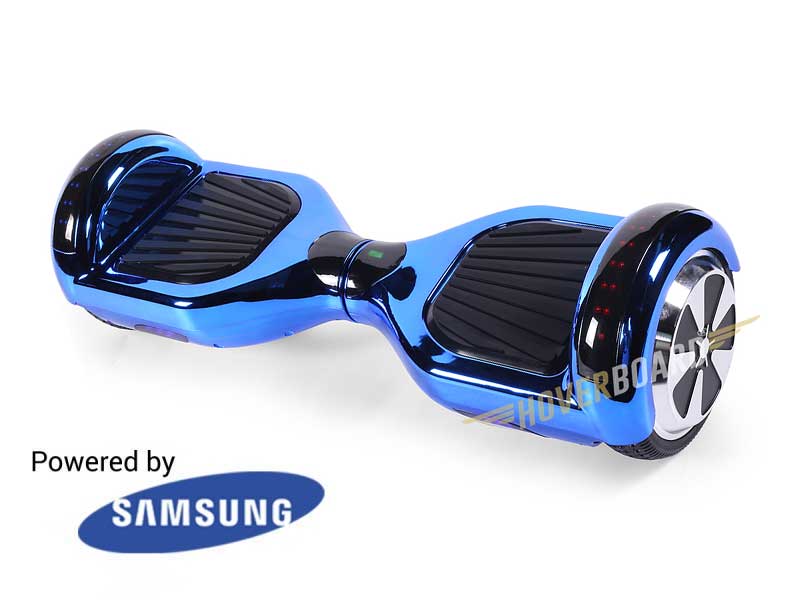
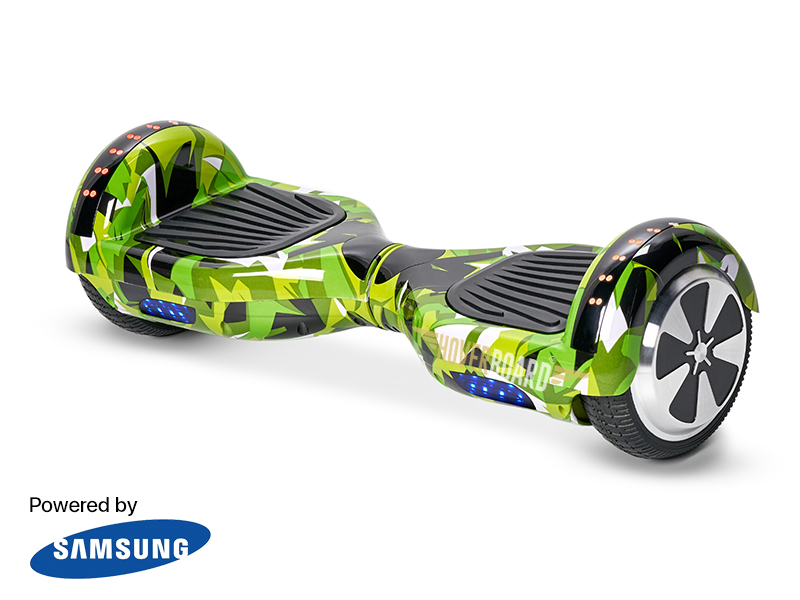
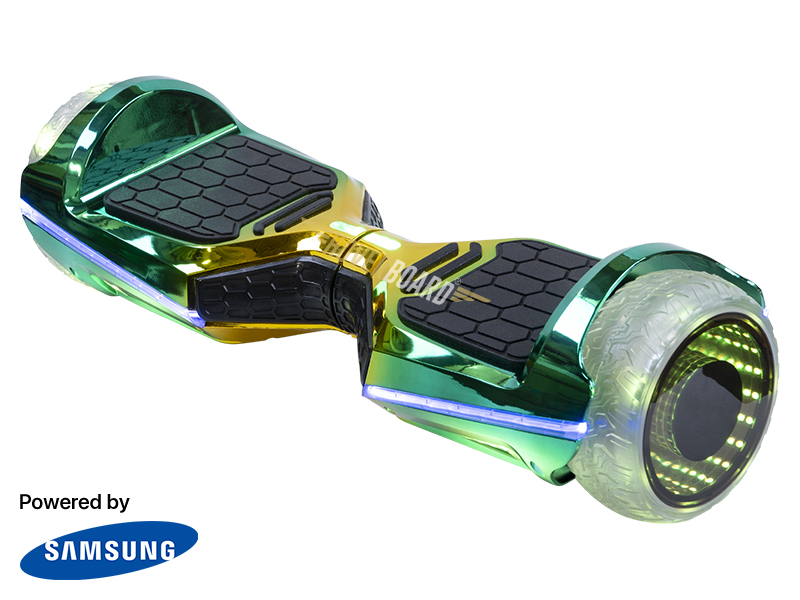
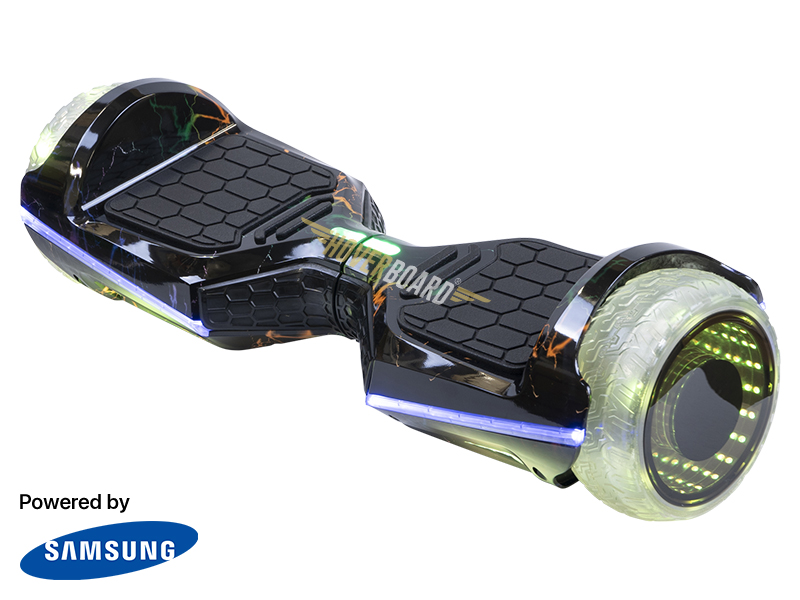
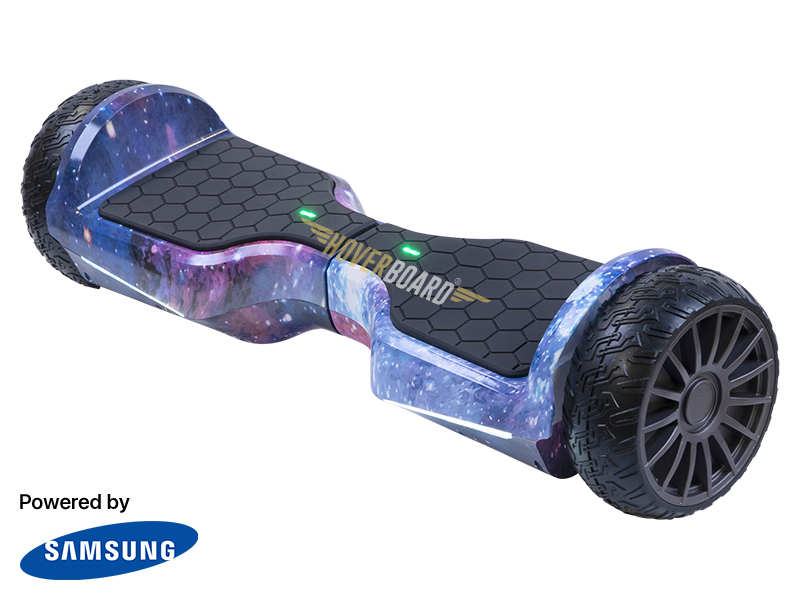
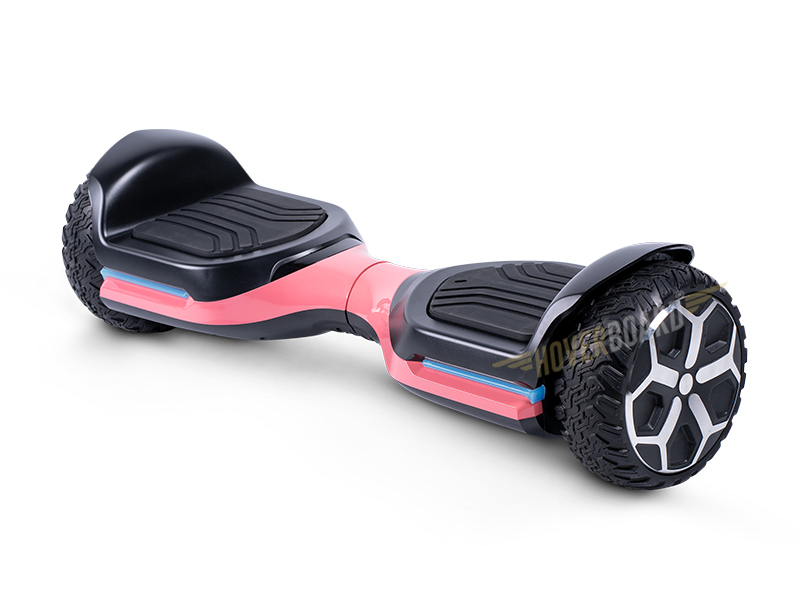
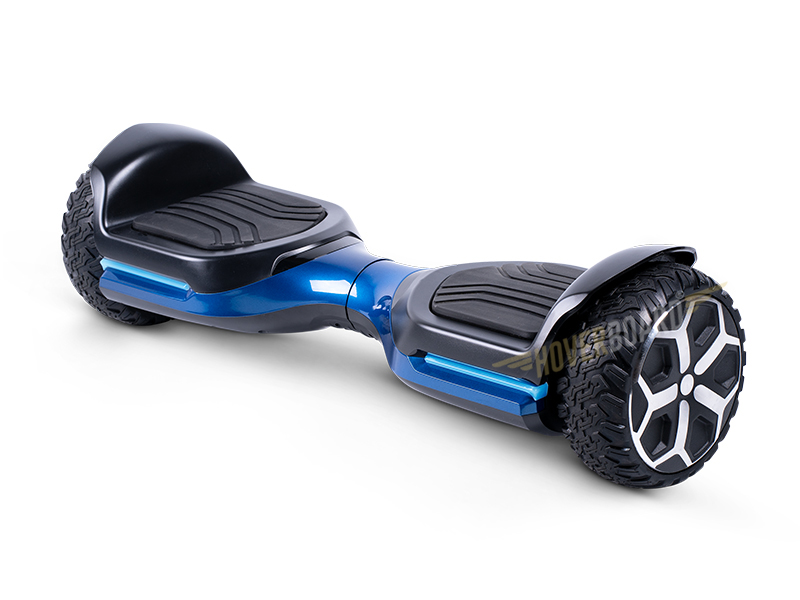
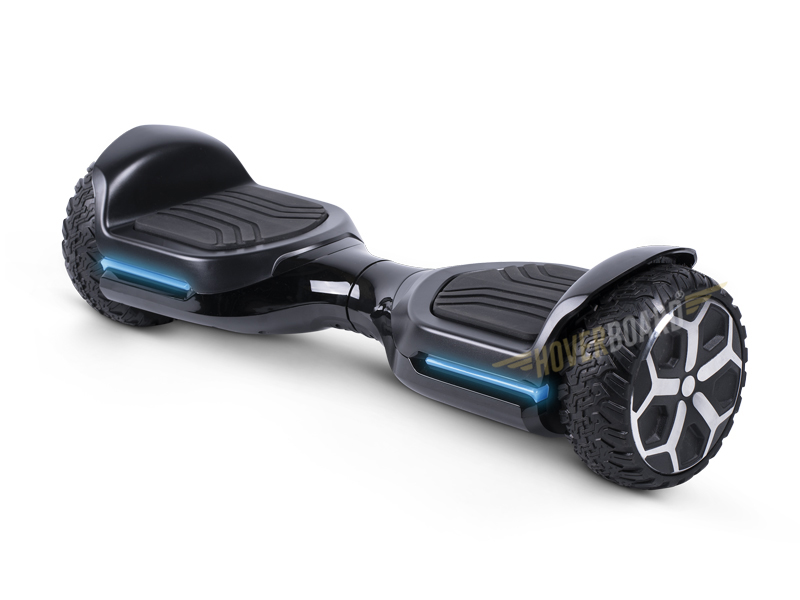
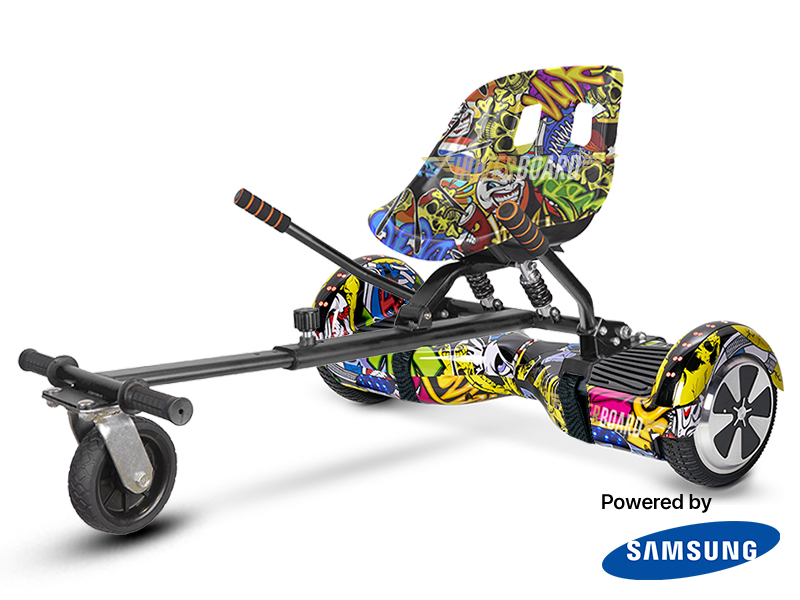
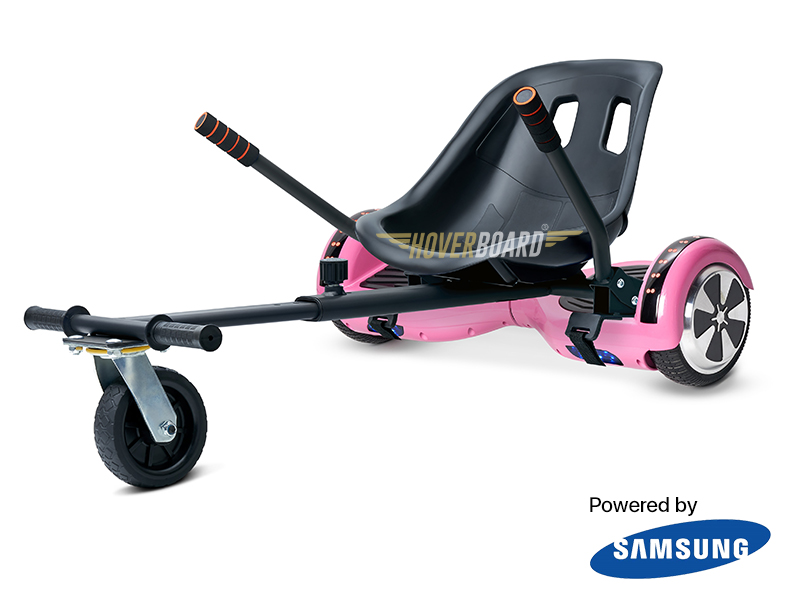
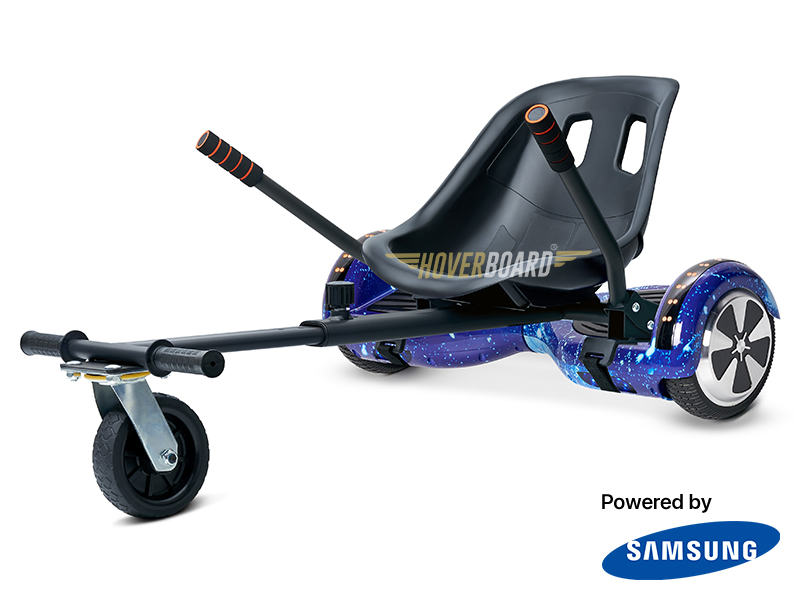
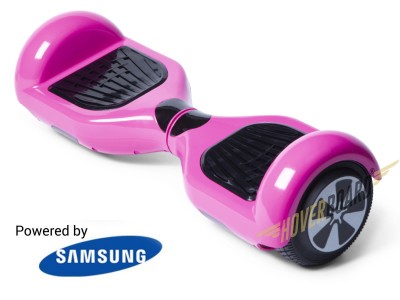
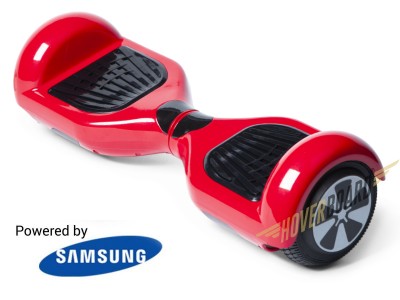
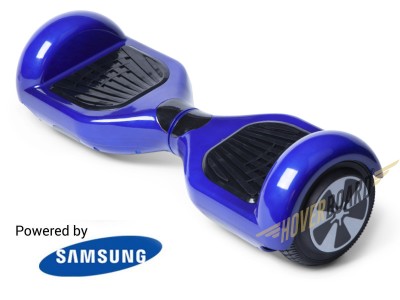
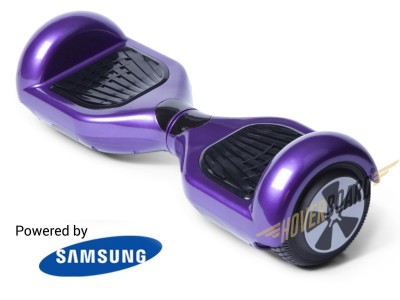
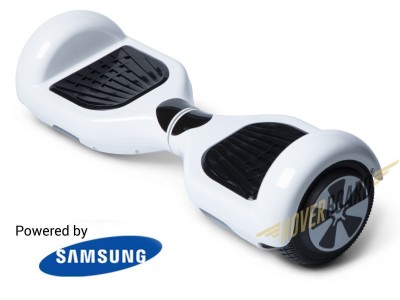
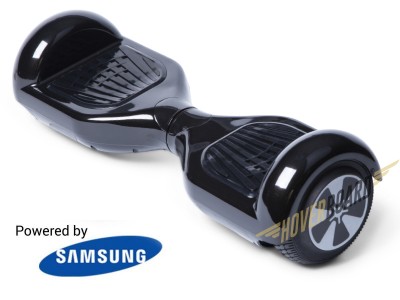
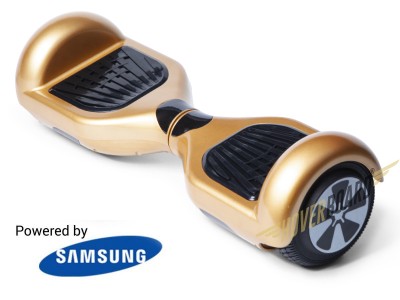
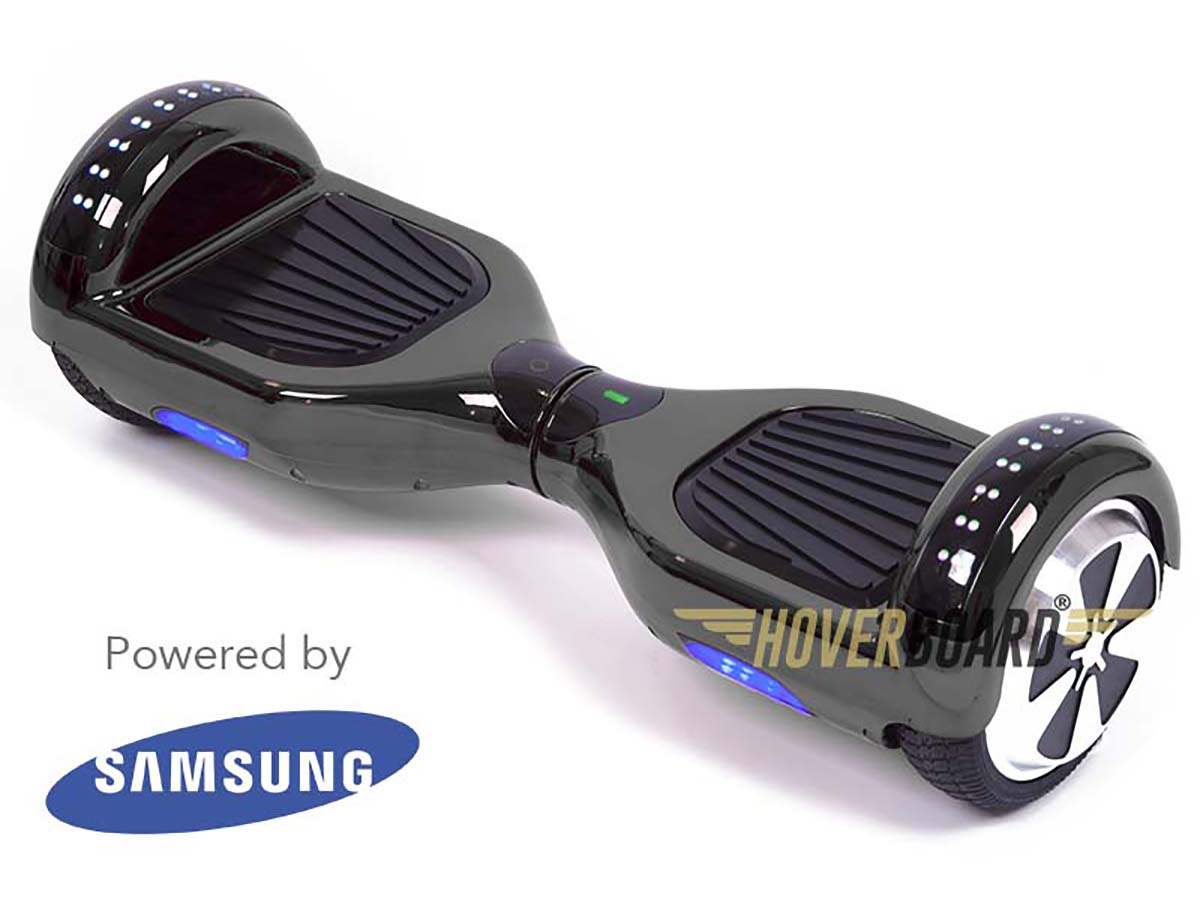
A 6.5 inch HOVERBOARD® for kids is the best entry-level choice because its smaller wheels and lower deck height provide the stability needed for beginners to learn balance safely. These boards offer a manageable speed and a size that fits a child’s natural stance, making the learning curve much shorter than larger, heavier models.
When we talk about a personal electric vehicle for younger riders, we aren't just talking about a toy. We are looking at a complex machine that uses center of gravity sensors and internal gyroscopes to keep the rider upright. These components work together to translate foot pressure into movement, allowing for a smooth ride on flat ground.
I understand that buying your first self-balancing scooter can feel a bit scary. You want your child to have the time of their life, but you also want to know they are safe and that the machine won't break after a week. You're looking for something that builds their confidence, not something that makes them feel frustrated. We've spent years testing these boards in warehouses and driveways, and we've seen exactly what makes a ride successful for a beginner.
Why the 6.5 Inch HOVERBOARD® for Kids is the Ideal Entry Point
You might be wondering why this specific size is the gold standard for beginners. The 6.5 inch HOVERBOARD® for kids is designed with a narrower frame that matches the shoulder width of most children aged 8 to 12. This alignment helps them stay balanced without straining their legs. If the board is too wide, the rider has to stand in an awkward position, which makes it much harder to control.
Understanding the Minimum Weight Requirement for Smooth Operation
One thing many parents miss is the minimum weight requirement of 44 lbs. If your child weighs less than this, the sensors inside the board might not realize someone is standing on it. When the load is too light, the board can start shaking or vibrating violently. It’s not broken; it’s just looking for enough pressure to engage the motors. I've seen many families think their new gift is faulty, only to realize the rider just needs a bit more weight to keep the sensors happy.
Ensuring your child meets this 44 lb threshold is the first step to a steady start. When the sensors click in properly, the board feels solid under their feet. This stability is what gives them the courage to lean forward and start moving. If they are right on the edge of that weight limit, having them wear a small backpack with a water bottle can sometimes provide that extra bit of pressure needed for a smooth ride.
Safety Standards of a UL 2272 Certified Self-Balancing Scooter
Safety is our biggest priority when we recommend a self balancing scooter 6.5 inch model. You have probably heard stories from years ago about batteries causing issues. That is why the UL 2272 certified sticker is the most important thing to look for. This isn't just a random label; it’s a strict global safety standard that means the entire electrical system has been tested for safety.
Lithium-Ion Battery Safety and Fire Prevention
Inside the board is a 36V lithium-ion battery. To keep this battery healthy and safe, you should follow a few simple rules. First, lithium-ion battery safety starts with how you charge it. Never leave the board plugged in overnight. Once the light on the charger turns green, unplug it. We’ve found that most battery issues happen when cells are overcharged or left in a hot garage during the summer.
Storing your board in a cool, dry place helps prevent thermal runaway, which is a technical way of saying the battery gets too hot. Certified components are built with heat sinks and protective circuits to stop this from happening. By following these basic guidelines, you can ensure the board stays a safe part of your home for a long time.
Mastering Control with Dual Hub Motors and Gyroscopic Sensors
A 6.5 inch HOVERBOARD® for kids usually features dual hub motors located inside the wheels. These motors receive signals from the center of gravity sensors hundreds of times per second. This tech is what allows the board to stay level even when you're moving. It’s a smart system, but it relies on the rider to give clear signals through their feet.
The Correct Mounting Sequence for New Riders
When you're teaching your child to ride, the way they step on matters more than anything. Have them place their dominant foot on the board first, making sure it is flat and pushed right up against the wheel well. This engages the first of the dual hub motors. Once the board levels out, they should step up quickly with the second foot, like they are walking up a stair.
If they step on too slowly, the board might start to roll away before they are ready. I always suggest that parents hold their child's hands for the first ten minutes. Once they feel the gyroscopes kick in, they will naturally find their center. You'll see the moment it clicks—their posture straightens up, and they stop looking at their feet.
Turning and Speed Control Through Subtle Weight Shifts
Moving a 6.5 inch HOVERBOARD® for kids is all about tiny movements. To go forward, you just slightly press your toes down. To stop or go backward, you shift your weight to your heels. Turning is where it gets fun. If you want to spin left, you press your right toes down while keeping your left foot flat. This tells the dual hub motors to spin at different speeds, creating a smooth turn.
Most of these boards have a speed cap between 6 and 9 mph. This is plenty fast for a driveway but slow enough to keep things safe. The sensors are tuned to pick up even the smallest shift in weight, so tell your child to think about where they want to go rather than leaning hard. Lean too far, and the board will speed up to try and catch them, which can lead to a fall.
Technical Limits of 6.5 Inch Solid Rubber Tires
It’s helpful to understand that these
hoverboards use solid rubber tires. Unlike a bike, there is no air inside them. This means you’ll never get a flat, but it also means there is very little shock absorption. Every bump in the sidewalk will be felt by the rider. This is why we call the 6.5 inch model a pavement specialist.
Why Flat Surfaces Matter for Stability and Motor Health
Because of the solid rubber tires, these boards perform best on smooth surfaces like driveways or paved park paths. If you try to ride on thick grass or bumpy gravel, the dual hub motors have to work twice as hard. This can drain the battery quickly and might even cause the motors to overheat. In our tests, riding on grass reduced the battery range by nearly 40% compared to smooth concrete.
Keeping the ride to flat surfaces also protects the plastic shell of the hoverboard. Low-clearance boards can scrape on uneven ground, which can damage the internal components over time. If your child wants to explore the backyard, a larger off-road model might be better, but for the driveway, the 6.5 inch wheel is perfect.
Essential Maintenance for Your 6.5 Inch HOVERBOARD® for Kids with Bluetooth
Ownership involves a little bit of upkeep to keep the ride smooth. A 6.5 inch HOVERBOARD® for kids with bluetooth is a great piece of tech, but it needs a reset every now and then. If you notice the board is pulling to one side or the lights are flashing red, don't panic. Usually, it just needs a quick gyroscope calibration to get everything lined up again.
Fixing Calibration Drift with a 10-Second Manual Reset
You can fix most balance issues with a 10-second manual reset. First, turn the board off. Then, place it on a perfectly level floor. This is a big deal—if the board is tilted during this step, it will think that tilt is the "level" position. Hold the power button down for 10 seconds. The lights will flash, and you might hear a beep. Turn it off and then back on, and the gyroscope calibration should be perfect.
This simple trick fixes about 90% of the "vibration" or "drifting" issues people report after their board is delivered. It’s like hitting the refresh button on a computer. We always recommend doing this right out of the box to ensure the sensors are matched to your specific floor level.
Protecting the Fragile 3-Pin Charging Port
The most common hardware failure we see isn't the motor or the battery—it’s the 3-pin charging port. The pins inside the port are very thin and can bend if the charger is forced in the wrong way. Look for the little notch on the plug and align it with the groove in the port. Never force it; if it doesn't slide in easily, it's probably upside down.
It’s also smart to check the shell for cracks. While the plastic is tough, big impacts can cause it to rub against the tires. A quick look-over once a week ensures that your personal electric vehicle stays in top shape. If you hear a rubbing sound while riding, stop and check if the fender has been pushed down onto the wheel.
Performance Specs and the 6.5 Inch HOVERBOARD® Weight Limit
When you're looking at the specs, remember that "max range" is usually measured under perfect conditions with a light rider. For a 6.5 inch HOVERBOARD® for kids, you can realistically expect about 5 to 8 miles on a single charge. This range depends on how fast they ride and how many hills they climb. A child weighing 60 lbs will get a lot more distance than a teenager at the 6.5 inch HOVERBOARD® weight limit.
Balancing Speed Range and LED Fender Light Features
One of the biggest draws for kids is the led HOVERBOARD® 6.5 inch style. These lights aren't just for looks; they help you see where your child is if they are riding as the sun starts to set. Many models also include a 6.5 inch HOVERBOARD® with bluetooth speaker, allowing them to stream music while they ride. Just remind them to keep the volume at a level where they can still hear cars or people nearby.
The 6.5 inch HOVERBOARD® weight limit usually tops out between 160 and 220 lbs. While an adult can technically ride most of these, they are really tuned for the agility of a child. Keeping the rider's weight well below the maximum limit will help the battery last longer and keep the motors from wearing out prematurely.
Choosing a 6.5 inch HOVERBOARD® for kids is a fantastic way to encourage outdoor play and balance skills. By picking a UL 2272 certified model and keeping up with basic gyroscope calibration, you're setting your child up for months of fun. If you have questions about which model fits your driveway best, or if you need help with a 3-pin charging port, feel free to reach out. We want to make sure your child’s first ride is one they’ll never forget for all the right reasons.
Frequently Asked Question
Q: Why is my child's HOVERBOARD® shaking when they step on it?
A: This usually happens because the rider is below the minimum weight requirement, typically 44 lbs. The sensors need enough pressure to stay engaged. If the rider is too light, the board may vibrate as the sensors rapidly turn on and off.
Q: What does UL 2272 certified mean for a hoverboard?
A: UL 2272 is a safety standard specifically for electrical systems in self-balancing scooters. It means the battery, charger, and internal wiring have passed rigorous testing to prevent fire and electrical hazards.
Q: How do I fix a HOVERBOARD® that is pulling to one side?
A: You can fix this with a manual reset. Turn the board off, place it on a perfectly level surface, and hold the power button for 10 seconds until the lights flash. This recalibrates the internal gyroscopes.
Q: Can a 6.5 inch HOVERBOARD® be used on grass?
A: It is not recommended. The 6.5 inch solid rubber tires have no shock absorption and low clearance, which makes riding on grass or gravel difficult for the dual hub motors and can lead to overheating.
Q: How long should I charge the lithium-ion battery?
A: You should charge it until the light on the charger block turns green, which usually takes 2-3 hours. Never leave it charging overnight, as this can degrade the battery health over time.
Q: What is the weight limit for a 6.5 inch hoverboard?
A: Most 6.5 inch models have a weight limit between 160 and 220 lbs. However, for the best performance and battery range, it is ideal for riders under 150 lbs.