





Whether you are cruising down a private driveway in Birmingham, navigating an outdoor track in Cardiff, or gifting a self-balancing scooter to your kids in Edinburgh, keeping your device powered up safely is a top priority.
A question that frequently crosses the minds of electric transport enthusiasts is: Can you charge a hoverboard overnight?
While it might seem convenient to plug in your board before heading to bed so it is ready for the morning, the definitive, professional answer from safety experts and engineers is no. You should never leave a hoverboard charging unattended or overnight.
This comprehensive guide breaks down exactly why overnight charging poses risks, how long you should actually charge your board, and how to protect your investment across all UK regions.
Why You Shouldn't Charge Your hoverboard Overnight
Most modern, certified hoverboards use premium lithium-ion batteries to store high amounts of energy in a compact space. While these batteries are highly efficient, they require strict adherence to charging protocols to prevent cell degradation and hazardous situations.
1. Risk of Overcharging & Battery Burnout
The average hoverboard takes between 2 to 3 hours to achieve a full charge. If you sleep for an average of 7 to 8 hours, your hoverboard remains connected to live current for an extra 4 to 5 hours. Over time, continuous overcharging forces unnecessary voltage into the lithium-ion cells, causing severe battery degradation, reducing your overall ride time, and shortening the battery's total lifespan.
2. Overheating and Fire Risks
While premium UK boards feature built-in smart charging protection with an automatic cut-off switch, electronic components can malfunction. If a cut-off switch fails while you are asleep, the battery will continue to draw current, resulting in extreme thermal exposure. This can lead to a dangerous phenomenon known as thermal runaway, where the battery overheats, smokes, or catches fire.
3. Lack of Immediate Supervision
If a charging malfunction occurs during the daytime, you will easily spot the warning signs—such as an unusual odor, a change in the shape of the casing, or an uncharacteristic noise. Overnight, these hazards go entirely unnoticed, presenting a significant household fire risk.
Proper Charging Protocols: The Safe Way to Power Up
To maximize your self-balancing scooter’s battery health and ensure complete safety in your home, implement these industry-standard charging habits:
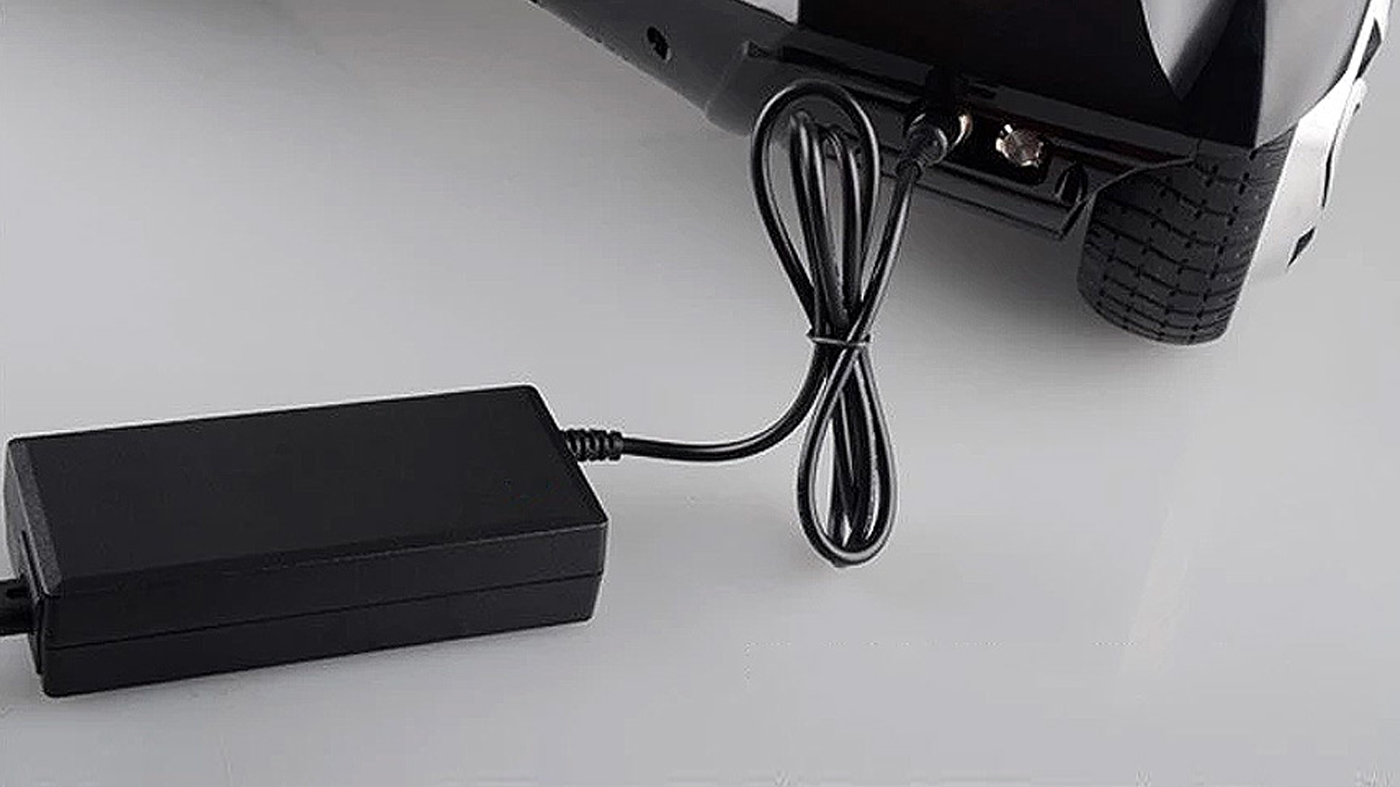
- Use the Original Charger Only: Always use the manufacturer-approved power lead that came in the box. Mismatched third-party chargers may push the incorrect voltage or amperage into your board, causing permanent damage.
- Look for UK Certification: Ensure your charger features a fused UK three-pin plug (BS 1363) and bears the CE or UKCA marking. Never use unsafe, un-fused clover-shaped plugs.
- Charge on Hard, Flat Surfaces: Place your hoverboard on tile, laminate, or concrete floors while charging. Avoid soft materials like carpets, rugs, or beds, which trap ambient heat around the power brick.
- Allow a Cooling-Off Period: Do not plug your hoverboard into the wall socket immediately after a heavy riding session. Give the internal battery cells 15 to 20 minutes to cool down to room temperature first.
Hoverboard Battery Maintenance At A Glance
The table below outlines optimal charging intervals and key performance metrics to keep your hoverboard running reliably across England, Scotland, Wales, and Northern Ireland.
| Battery Metric | Recommended Standard | Why It Matters |
| Average Charge Time | 2 to 3 hours | Prevents voltage strain and overcharging. |
| Ideal Charging Surface | Hard, non-flammable (Tile / Concrete) | Prevents heat trapping and dissipation issues. |
| Minimum Cooling Time | 15 to 30 minutes post-ride | Safeguards battery cells from thermal stress. |
| Storage Temperature | Stable room temperature (Avoid freezing sheds) | Extreme cold or heat drastically reduces cell capacity. |
UK Legal Framework: Where Can You Safely Ride?
It is vital for UK electric hoverboard owners to stay informed about local usage regulations. Under the Highways Act 1835 and the Road Traffic Act 1988, hoverboard are legally classified as "powered transporters."
- Important UK Law Note: It is strictly illegal to ride a hoverboard on public roads, pavements, cycle lanes, or pedestrian-only areas across all UK regions. They are only permitted for use on private land with the landowner's explicit permission.
Whether you are under the jurisdiction of a local council in Manchester, a borough in London, or an assembly in Belfast, always abide by these rules to avoid fines or equipment confiscation by local authorities.
Recognizing the Warning Signs of a Faulty Battery
If you notice any of the following symptoms, stop using and charging your hoverboard immediately:
- The battery area feels excessively hot to the touch during or after charging.
- The outer plastic chassis appears swollen, warped, or leaking.
- The board emits a strange, chemical odor or a hissing sound.
By avoiding overnight charging and keeping a watchful eye on your device, you will protect your household and keep your hoverboard performing at its absolute best for years to come.