





The off road hoverboard max weight for a professional heavy-duty model is 420 lbs, which is nearly double the capacity of standard street models. This specific weight limit is set by engineers to ensure the vehicle remains stable, stops safely, and keeps its frame from bending while you travel over rough ground.
To understand these limits, we look at two main factors: structural strength and electrical power. Structural strength involves how much pressure the metal frame can take before it snaps or flexes. Electrical power involves how much work the motors and batteries can do before they get too hot. When you use a high-capacity board, you're using a tool built to handle the extra stress of dirt, grass, and gravel without falling apart.
You want your weekend rides to be about the scenery and the fun, not about worrying if your gear will hold up. We know it’s frustrating to find a gadget that actually fits a larger adult, especially when you want to get outside and explore trails. You deserve a ride that feels solid under your feet. This guide will help you see how these boards are built differently for you and what to look for so you can ride with confidence.
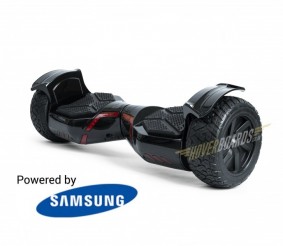
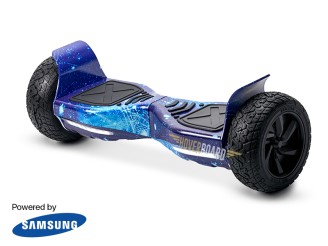
-1693482306.jpg)
Understanding Off Road hoverboard Max Weight and Structural Integrity
When we talk about the off road hoverboard max weight, we're talking about the point where the board's skeleton stays strong. Most cheap boards use thin plastic or light metals that can't handle a heavy person on a bumpy path. For a heavy weight hoverboard uk riders often choose, the design has to be much tougher. If you go over the limit, the internal housing can crack, and that's a safety risk you don't want to take.
Aircraft-Grade Aluminum Frames: Supporting Riders Up to 420 lbs
To hit that 420 lb limit, we use an aircraft-grade aluminum frame. This metal is light but very stiff. It stops the board from bowing in the middle when you stand on it. When we tested these frames on rocky paths, we saw that cheaper steel frames would actually warp, causing the wheels to point inward. The maximum weight capacity depends on this high-quality metal. It keeps the internal computer and wiring safe from being crushed by the rider's weight. Hoverboards built with this alloy feel much more stable because they don't wiggle or bend when you hit a bump in the trail.
The 44 lb Minimum Weight Requirement for Footpad Sensors
While we focus on the top limit, the bottom limit matters just as much. You need at least 44 lbs of pressure for the footpad sensors to know someone is standing there. If a light child tries to ride a heavy-duty unit, the board might start shaking or vibrating wildly. This happens because the sensors aren't getting a clear signal to stay level. If you're near this lower weight, you might find that the board feels jerky or hard to control on uneven ground.
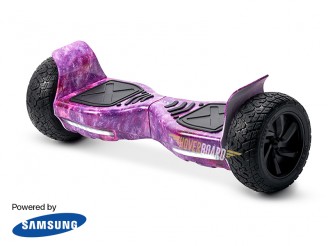
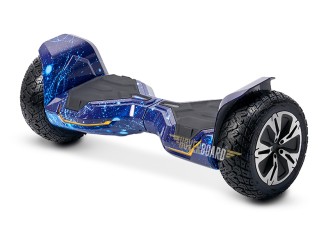
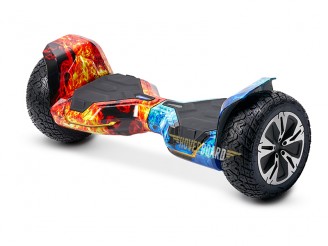
How Heavy Payloads Affect Dual 350W and 400W Brushless Motors
Moving a larger rider through thick grass or mud takes a lot of power. Most all-terrain hoverboard models use dual 350W brushless motors to get the job done. That gives you 700W of total power. Some pro models even go up to 800W combined. These motors don't have brushes that wear out, so they last longer and stay cooler. However, your weight changes how these motors behave when things get steep. The motors have to work harder to keep you moving, which affects how well you can climb hills.
Torque vs. Incline: Why 30-Degree Capability Drops for Heavier Riders
An all-terrain hoverboard usually claims a 30-degree incline capability. This is true for a rider who weighs 150 lbs. But if you're closer to the off road hoverboard max weight, that angle will drop. A 350 lb rider might only be able to climb a 15-degree hill comfortably. We’ve noticed that when the load is high, the motor's pulling power—or torque—gets used up just trying to move forward on flat ground. You'll still get up the hill, but it will be slower, and you'll feel the board working much harder to keep its balance.
Thermal Management: Preventing Motor Burnout on High-Friction Surfaces
High-friction surfaces like sand or tall grass act like a brake on your wheels. When you weigh more, the motors draw more electricity to fight that friction. This creates a lot of heat inside the motor coils. A good heavy weight hoverboard uk model has an internal cooling system or a motherboard that tracks the temperature. If the motors get too hot, the board might slow down or beep to tell you to take a break. We've seen motor coils burn out in seconds on boards that don't have this protection, so always listen to your board's warnings.
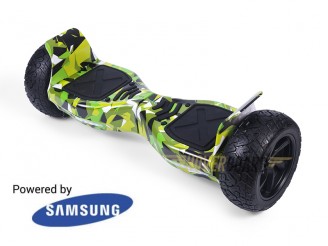
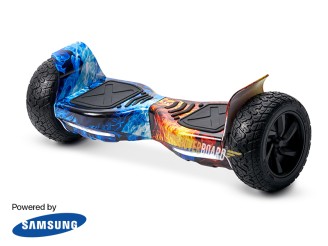
Performance Degradation and Range Expectations at Max Capacity
It’s a simple rule of physics: more weight means less battery life. You will experience some performance degradation if you ride at the top end of the weight limit. This doesn't mean the board is broken; it just means it has to spend its energy faster. You might notice the top speed of 12 mph feels more like 9 mph when you're on a soft dirt track. This is normal for any electric vehicle carrying a heavy load.
Battery Depletion Rates: Real-World Range for 250 lb+ Riders
The battery depletion rate can increase by 30% to 50% when a 300 lb person rides off-road compared to a paved sidewalk. If the box says you can go 10 miles, you should plan for about 5 or 6 miles if you're a heavy rider on a forest trail. We once tracked a rider on a sandy beach, and the battery drained much faster than we expected because the wheels kept sinking. Always keep an eye on your battery indicator so you don't end up carrying a heavy board back to your car.
Braking Distances and Speed Limits Under Heavy Loads
Stopping a heavy object takes more distance than stopping a light one. When you're near the off road hoverboard max weight, you need to give yourself extra room to slow down. If you’re using a hoverkart for off road hoverboard setups, this is even more critical because you're sitting down and moving faster. The motors use "regenerative braking" to slow you down, but they can only do so much. If you're flying down a hill at 12 mph, a heavy rider might take double the distance to come to a full stop compared to a child. Practice your stops on flat ground first to get a feel for the weight.
Safety Standards and Durability for All-Terrain Hoverboards
Safety isn't just about not falling off; it’s about the electronics staying safe under pressure. When a motor pulls a lot of electricity to move a heavy person, the wires and battery get very hot. This is why we insist on specific certifications for every board we recommend. Without these checks, the risk of a short circuit or a fire increases significantly when the board is pushed to its limits.
UL2272 Certification: The Benchmark for High-Draw Electrical Safety
Never buy a board for a heavy adult that doesn't have the UL2272 certification. This means the battery and the charger have been tested to handle high amounts of electricity without catching fire. For a rider at the off road hoverboard max weight, the electrical system is under constant stress. This certification ensures that the battery cells are high quality and that the charger won't overheat if you leave it plugged in. It’s the most important safety feature you can look for.
8.5-Inch Puncture-Proof Tires and Impact Vibration Dampening
Most off-road models come with 8.5-inch puncture-proof tires. These are solid rubber, so they won't go flat if you run over a sharp rock or a thorn. For a heavy person, solid tires are better because they don't squish under weight like air-filled tires do. However, solid tires don't soak up bumps as well. The vibration from rocky trails can travel up into the gyro-sensors, which can make the board lose its calibration. We suggest keeping your knees slightly bent to act like shock absorbers, which helps the board stay level and protects the electronics inside.
Maintenance and Longevity of Your Off Road hoverboard Weight Limit
If you take care of your board, it will take care of you. Riding at the off road hoverboard weight limit means you're putting the machine through its paces every time you go out. Regular check-ups are the best way to make sure your ride stays safe and fun for years. A little bit of cleaning and a quick sensor reset can prevent big problems down the road.
IP54 Water Resistance: Protection and Practical Limitations
Most of these units have an IP54 water resistance rating. This means they can handle splashes and some dust. If you're a heavy rider, you're pushing the rubber seals harder against the frame. This makes it even more important to avoid deep puddles or mud. While the board is tough, it's not a submarine. If water gets into the dual 350W brushless motors, it can cause rust or a short circuit. After a ride on damp grass, wipe the board down with a dry cloth to keep the moisture away from the seals.
Chassis Fatigue and Gyro-Sensor Calibration for Frequent Off-Road Use
Over time, even an aircraft-grade aluminum frame can experience fatigue if it's constantly used at the off road hoverboard max weight. Check the underside of your board once a month for any small cracks or loose screws. If the board starts to pull to one side, it's time to recalibrate the gyro-sensors. You can usually do this by holding the power button down for 10 seconds while the board is perfectly level. This resets the balance and makes the ride feel brand new again.
If you're ready to start your next adventure, choose a board that’s built for your size and the trails you want to conquer. Respecting the off road hoverboard max weight ensures that your hoverboard stay in top shape and keep you safe. Don't let weight limits hold you back—get a heavy-duty model today and see where the trail takes you!
Frequently Asked Questions
Q: Can a 400 lb person ride an off-road hoverboard?
A: Yes, but you must choose a heavy-duty model specifically rated for a 400 lb or 420 lb maximum weight capacity. These models use aircraft-grade aluminum frames to prevent structural failure under heavy loads.
Q: How does my weight affect the hoverboard's ability to climb hills?
A: As you approach the weight limit, the incline capability drops. While a board might be rated for 30 degrees, a rider over 300 lbs may find the board only manages 15-degree slopes effectively due to the motor's torque limits.
Q: Will an off-road hoverboard break if I use it on grass?
A: No, as long as you are within the weight limit. However, grass creates more friction, which increases the battery depletion rate and makes the motors run hotter than they would on pavement.
Q: Why is the UL2272 certification so important for heavy riders?
A: Heavy riders draw more current from the battery, which generates heat. UL2272 certification ensures the electrical system is tested to handle this high draw safely, preventing fire risks.
Q: Why does my hoverboard shake when my child rides it?
A: This usually happens because the rider is below the 44 lb minimum weight requirement. The footpad sensors need enough pressure to engage properly; otherwise, the board struggles to stay level and begins to vibrate.